.webp)
Whether designing a new plant, expanding a site, or upgrading an old facility, the future owner is likely to be considering the protection of an asset which will be functioning for twenty, thirty or even fifty years into the future. What will the climate be like at that location in the future? Have you fully understood what events could occur today? Engineers and architects need some idea of what they need to protect against. Accurate information can give you the confidence to invest wisely.
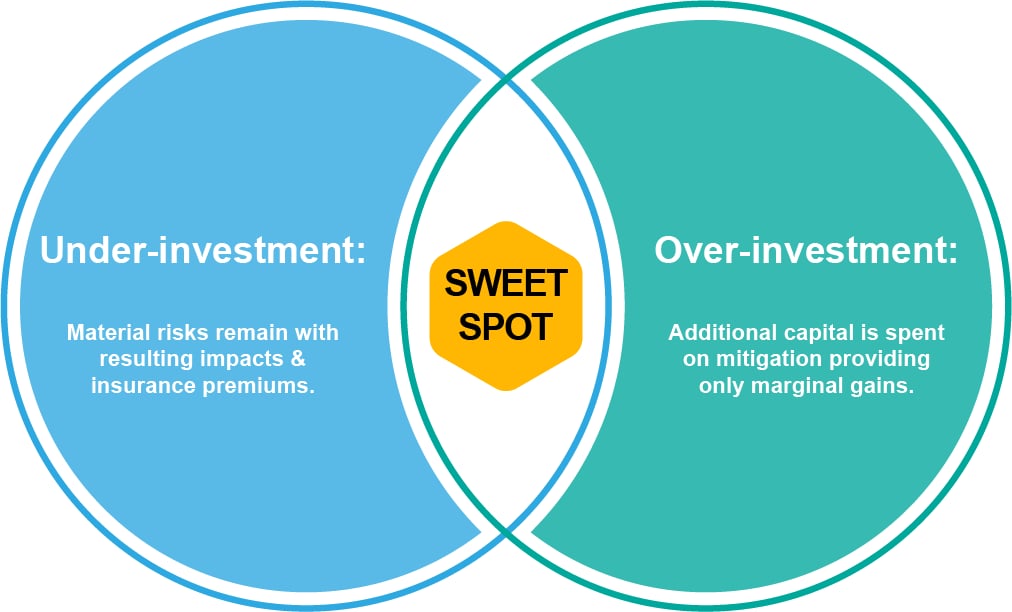
Only with accurate climate impact data is it possible to strike a balance between investing enough in resilience to bring risks down to acceptable levels, versus investing too much in infrastructure and defenses that are over-engineered, at which point the return on investment is diminished.
Using climate impact data requires a different approach — Custom metrics carefully aligned with infrastructure specifications, and modes of failure. These are not the ‘standard’ models used for portfolio-level analysis, screening, and regulatory reporting. It requires a deeper level of science, custom models, an analysis of statistical variance, thorough documentation, and transparency.
Analysis
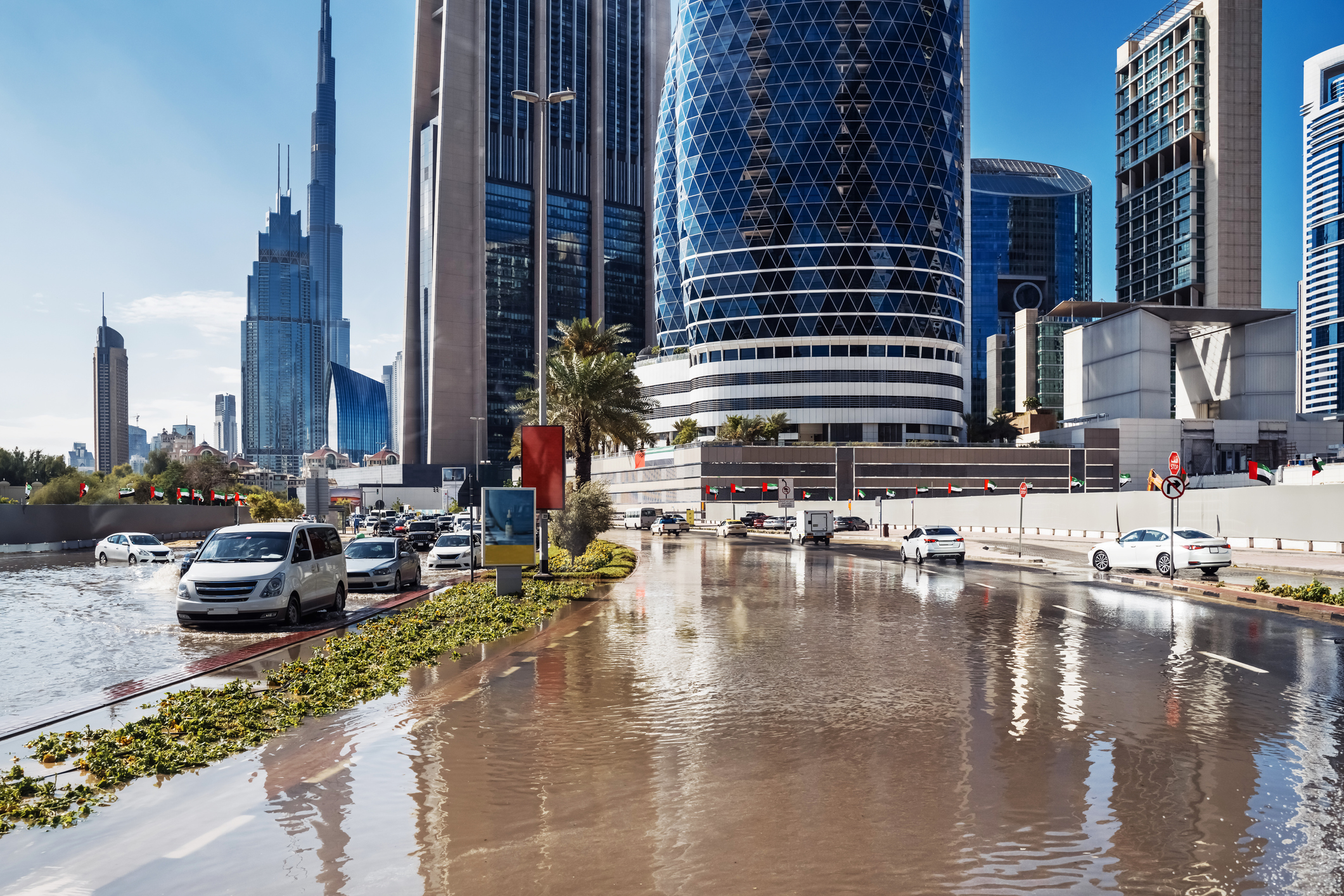
Jupiter Intelligence is regularly asked to provide climate data for industrial production plants and energy facilities worth hundreds of millions or billions of dollars. These plants often need to be near to a source of water, therefore making them vulnerable to flood and drought, or they are located in tough environments exposed to heat, extreme winds, precipitation, wildfire, and other perils.
To protect valuable capital assets, engineers must consider flood defenses, drainage, water storage, cooling and heating capacity, structural strength, material choices, and system redundancies. For example, for flood protection, the cost to build adequate flood barriers, drainage, and water storage for these types plants typically starts at around $2 million dollars, but can often exceed $20 million dollars. Further costs arise when dealing with the risk of pollution from hazardous substances.
So how do engineers know what events they are designing for?
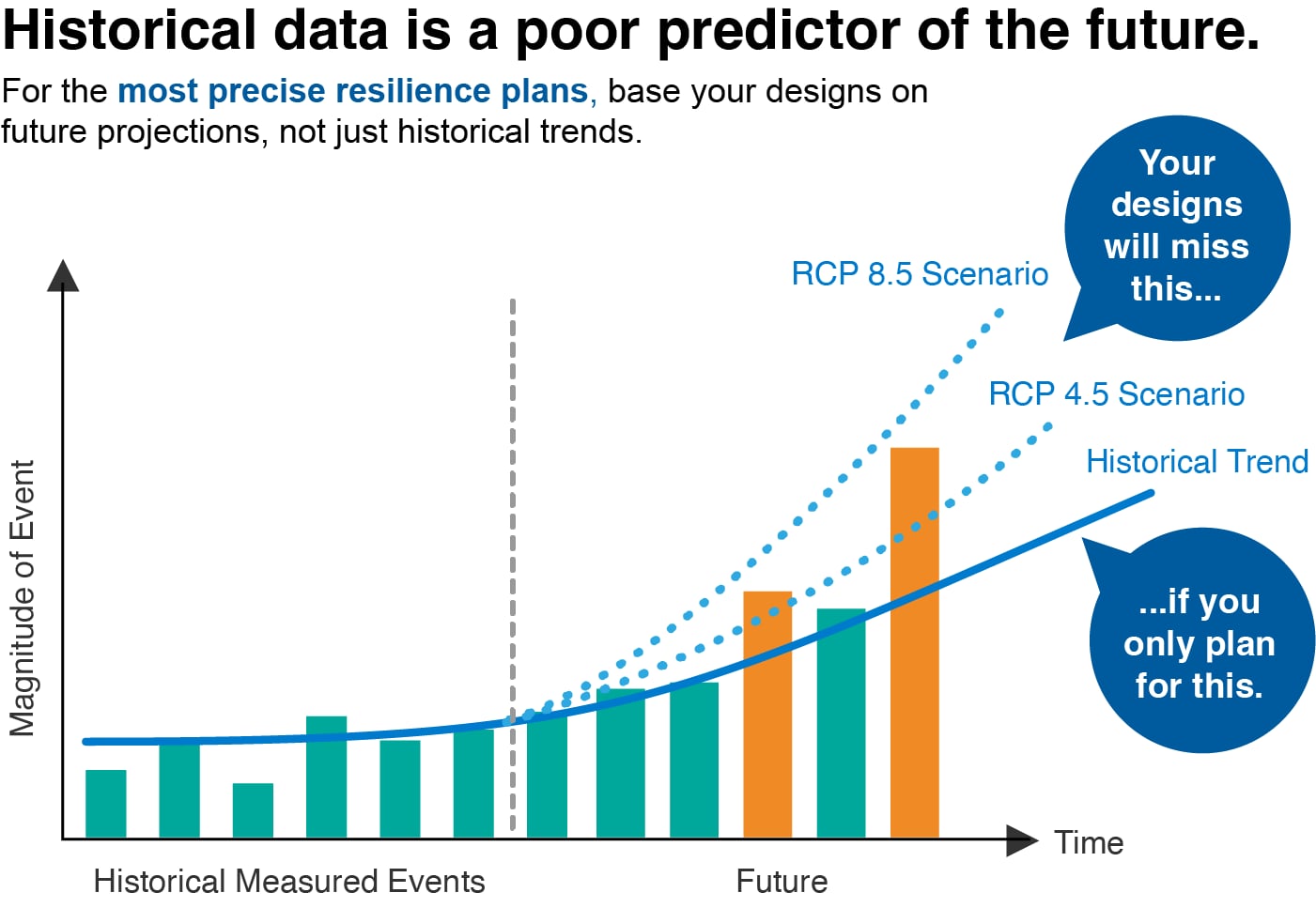
Finding the optimal sweet spot that balances investment today versus probable risk over the asset life is the challenge that engineers face. Historical flooding and rainfall trends are no longer relevant. Over the last few decades, the incidence of major flood events has trended upwards. This will continue for the rest of the century. Building codes based on the historical observations under-represent this upward trend.
If engineers can’t trust their data, they are more likely to over-engineer, implementing systems that have more capacity than is necessary, but this adds significantly more cost without optimizing risk reduction — A diminishing return. Flood defenses on this industrial scale typically cost an additional 2% to 10% for each additional 10cm of height. Therefore, if we consider a flood defense scheme costing approximately $5M. If this is over-engineered, by building just 20cm higher than necessary, then this amounts to between $200k and $1M additional expenditure.
Quantifying Non-Stationarity
As discussed, the implication of climate non-stationarity is that in many places the frequency, or magnitude of heatwaves, wildfires, precipitation, and floods are changing over time, often becoming more frequent and severe. Therefore the probability of exceeding the design specification of infrastructure changes over time. If infrastructure is designed for current conditions, then the probability of the design threshold being exceeded increases, and the design life reduces. Conversely, if the specifications are set according to the anticipated conditions decades in the future, it is quite possibly over-protected for years up to that point in time. Depending on risk tolerance, this may or may not be unacceptable.
Jupiter MetricEngine and Adaptation
Jupiter provides confidence by taking a highly scientific, transparent, and carefully documented approach to the generation of climate-related physical risk metrics which give valuable insights, aligned with the key decisions engineers, architects and ultimately the Chief Risk Officer and Chief Finance Officer must take to right-size investments in resilience and adaptation.
Real World Example (anonymized)
A large American power company is planning to invest more than a billion dollars in a power generation plant. The site is low-lying and could be vulnerable to flooding, but is protected by a 2.1 meter high wall. The company’s insurer initially stated that the site was inadequately protected, and would be inundated by a 1 in 100 year flood event, and therefore recommended increasing the height of the protective wall to 3 meters, with an estimated cost of approximately one million dollars — Analysis which jeopardized project financing from the bank.
Seeking a second opinion, the company commissioned Jupiter, to build a customised flood model at 2 meter resolution, capable of accurately assessing the flood risks in the present and future years, under different scenarios, and testing the effectiveness of different flood defenses. The model gave the company confidence that the current defenses not only protect the site against a 1 in 100 year flood, but in fact the site is able to withstand 1 in 500 year floods.
This thoroughly documented analysis, satisfies the company that their site is well protected for the foreseeable future, and gives comfort to the bank that their investment is sound. The company saved $1M expenditure on unnecessary flood defenses, and they were able to go back to their insurer and negotiate a $200,000 rebate on their insurance premium.
The company and their stakeholders will be confident they’re investing the right amount in the avoidance of flood damage and operational losses at this high-value site, not just now, but for the life of this facility.
Speak to a climate expert
Get a customized analysis of your site's physical risk exposure — and find the investment level that's actually right for your asset. Contact us here.
